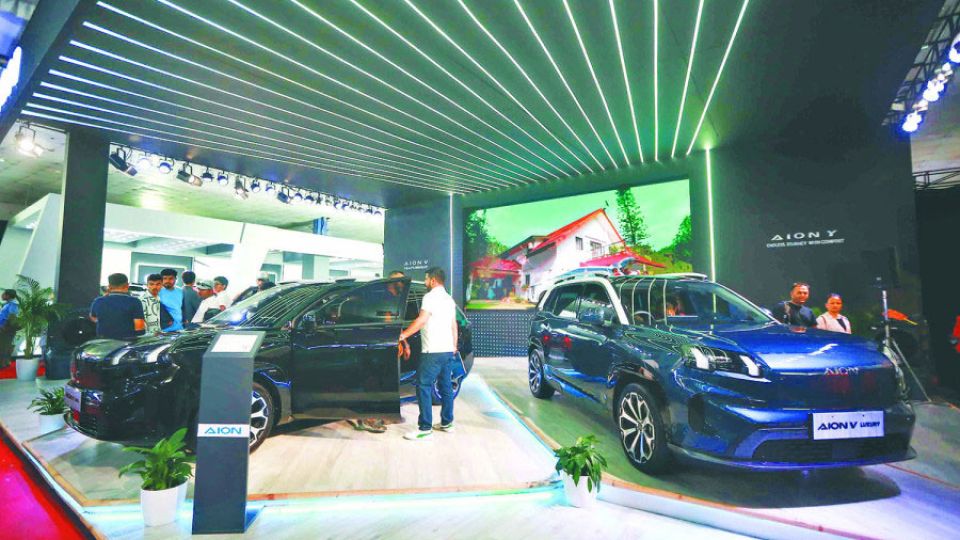
A Market Electrified by Uncertainty
The narrative surrounding mobility in Nepal is undergoing a profound transformation. EV demand in Nepal is growing but so is cost, creating a paradox that reflects both optimism and constraint. As geopolitical tensions ripple across global energy markets, the Himalayan nation finds itself at a pivotal crossroads—where necessity accelerates adoption, yet economic pressures temper enthusiasm.
Short bursts of demand. Long waves of uncertainty.
The ongoing disruptions in West Asia, particularly those affecting oil flows through the Strait of Hormuz, have catalyzed a surge in fuel prices worldwide. Nepal, heavily reliant on imported petroleum, is especially vulnerable. The result is predictable yet striking: consumers are pivoting rapidly toward electric vehicles (EVs), viewing them not merely as an alternative, but as a safeguard against volatility.
Demand Surge Driven by Fuel Anxiety
Fuel insecurity has a peculiar way of reshaping consumer psychology. In Nepal, this shift is already visible. Dealers report a dramatic uptick in inquiries, bookings, and actual purchases of EVs, particularly since the escalation of regional conflicts affecting oil supply chains.
Momentum builds quickly. Hesitation fades faster.
What was once a gradual transition has now become an urgent recalibration. Consumers who previously hesitated—concerned about infrastructure, range anxiety, or resale value—are now prioritizing energy independence and long-term savings. The calculus has changed. Rising petrol and diesel prices have made EVs not just attractive, but economically rational.
In urban hubs like Kathmandu, showroom traffic has intensified. Bookings that once trickled in now arrive in clusters. Dealers speak of inventories thinning rapidly, with incoming shipments often pre-sold before arrival.
Supply Constraints and Rising Costs
Yet, this surge in demand is not without friction. The supply chain, already strained by global disruptions, is struggling to keep pace. Freight costs have surged dramatically, in some cases tripling, while currency depreciation has further inflated import expenses.
This is where the paradox deepens.
While EV adoption accelerates, affordability becomes increasingly elusive. The strengthening U.S. dollar has compounded the issue, making imports more expensive for Nepali distributors. Add to that rising lithium prices and logistical bottlenecks, and the result is a steady upward pressure on vehicle prices.
Dealers are responding pragmatically. Discounts—once a staple of promotional cycles—are being withheld. The traditional festive offers tied to the Nepali New Year are notably absent. Demand, after all, no longer requires artificial stimulation.
A Global Trend with Local Nuances
Nepal’s EV transition is not occurring in isolation. Globally, electric mobility is gaining traction, driven by environmental concerns, regulatory incentives, and technological advancements. However, Nepal’s case is unique in its velocity.
The country has emerged as one of the fastest adopters of EVs worldwide, with electric vehicles accounting for a significant majority of new car sales in recent years. This rapid adoption is not solely policy-driven; it is deeply influenced by external shocks—particularly fluctuations in global oil markets.
Crisis, in this context, becomes a catalyst.
Unlike developed markets where EV adoption is often tied to sustainability goals, Nepal’s transition is rooted in economic survival. The shift is pragmatic, almost instinctive. When fuel becomes prohibitively expensive, alternatives gain immediate relevance.
Infrastructure and Policy Support
Government policy is beginning to align with this momentum. Initiatives aimed at promoting electric mobility are gaining traction, including discussions around EV retrofitting—allowing traditional combustion vehicles to be converted into electric ones.
Such measures are not merely symbolic. They represent a strategic attempt to democratize access to electric mobility, especially for those unable to afford new vehicles. Retrofitting extends the lifecycle of existing assets while reducing dependence on fossil fuels.
At the same time, infrastructure development remains a critical variable. Charging networks, though expanding, must scale rapidly to match the pace of adoption. Without adequate support systems, the current surge risks encountering structural bottlenecks.
The Cost Conundrum
Despite the optimism, the cost factor looms large. Dealers have indicated that EV prices could rise significantly in the near term, with increases ranging from modest adjustments to substantial hikes depending on the model.
This introduces a delicate balancing act.
On one hand, rising fuel prices push consumers toward EVs. On the other, increasing EV costs threaten to slow that very transition. The interplay between these forces will determine the trajectory of Nepal’s automotive market in the coming years.
Affordability remains the fulcrum. Without it, momentum could stall.
A Future Shaped by External Forces
Looking ahead, much will depend on the evolution of global energy markets. Should oil prices continue their upward trajectory—potentially reaching extreme levels—the incentive to adopt EVs will intensify further. Conversely, any stabilization in fuel prices could temper the urgency.
Yet, the structural shift is already underway.
Consumer behavior has changed. Awareness has deepened. The perception of EVs has evolved from novelty to necessity. Even if short-term fluctuations occur, the long-term direction appears firmly set.
Conclusion: Growth Amid Constraints
The story of Nepal’s electric vehicle market is one of acceleration under pressure. It is a narrative shaped by external shocks, internal resilience, and a rapidly evolving economic landscape.
EV demand in Nepal is growing but so is cost—a dual reality that encapsulates both the promise and the challenge of this transition.
Short-term pain. Long-term potential.
As the nation navigates this complex terrain, the interplay between demand, cost, and policy will define its mobility future. What remains clear, however, is that the shift toward electrification is no longer optional. It is inevitable.