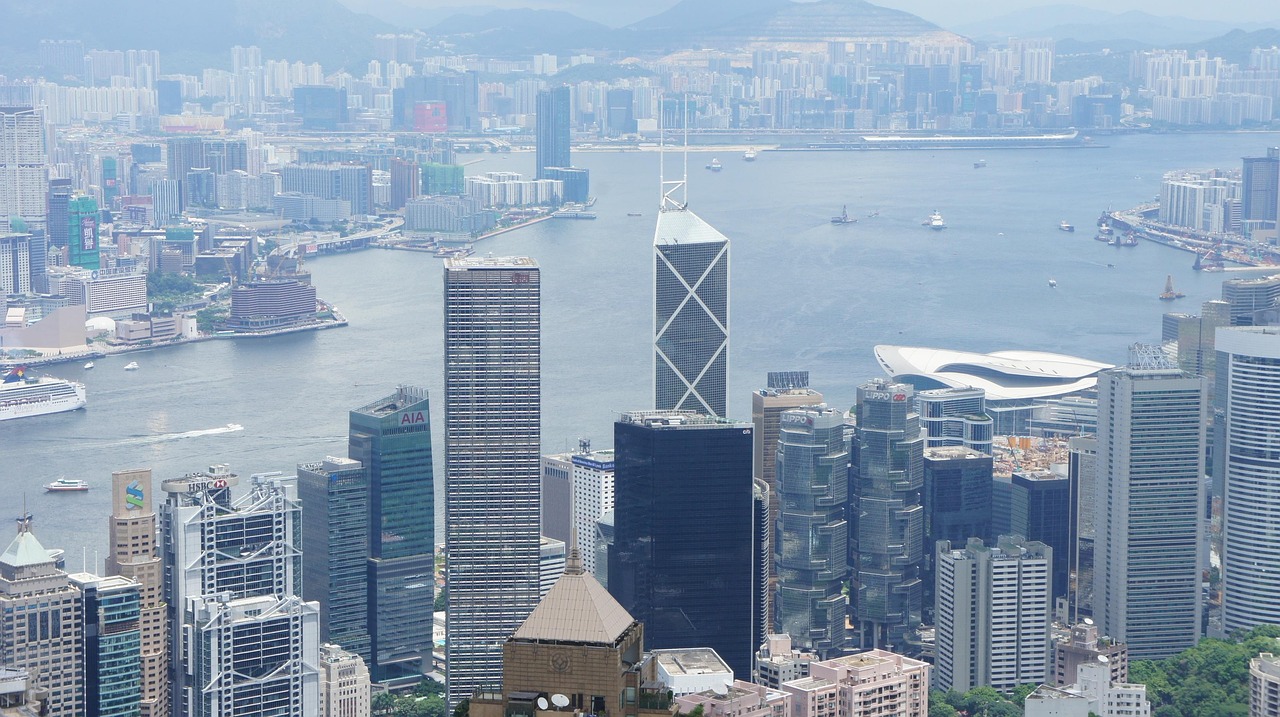
Hong Kong’s commercial property slump is entering a new phase as lenders adopt a more aggressive approach to managing losses. The case of Yuzhou Group selling office space in Central at a significant discount to repay debt highlights this shift. The developer sold six units on the 58th floor of The Center for HK$268.8 million, securing a loss of about HK$83 million. This move signals a broader trend: banks are prioritizing immediate loss control over delaying inevitable write-downs.
Related: Hong Kong property sales dip before rate hike
For years, lenders were willing to extend loan maturities and restructure debt, betting on a market rebound. “That strategy is increasingly hard to justify,” said Glen Ho, a Deloitte China leader specializing in restructuring. Stricter capital rules, regulatory scrutiny, and pressure from ratings agencies have raised the cost of holding distressed assets. As a result, banks are accepting discounted sales, appointing receivers, and taking direct control of disposal processes when borrowers lack viable deleveraging plans.
Examples of this trend are emerging across the market. Earlier this year, receiver Kroll took over 299 QRC in Sheung Wan after its lender, Industrial and Commercial Bank of China (Macau), initiated the process. The tower sold for HK$611.4 million in May—about 70% below its 2018 purchase price of HK$2.1 billion.
Related: Hong Kong to lure fund managers with incentives
Distressed sales are reshaping ownership. Cash-rich buyers are capitalizing on opportunities, such as Singapore-based Wee Hur Holdings acquiring One Bedford Place in Tai Kok Tsui. The tower, seized by Bank of East Asia after developer Lofter Group defaulted, will be converted into student housing. This illustrates how troubled assets are finding new uses and owners.
Related: Market Pulse: Latest Business News, Trends and Analysis
Structural issues persist in Hong Kong’s commercial market. Grade A office vacancies remain high due to corporate downsizing, while retailers grapple with e-commerce and cross-border spending shifts. Yet education institutions are emerging as a rare demand driver. Colliers reported HK$11.1 billion in education-related commercial property deals in the first five months of 2026—more than all of 2025 combined. Schools and universities are securing major leasing deals as they expand campuses.