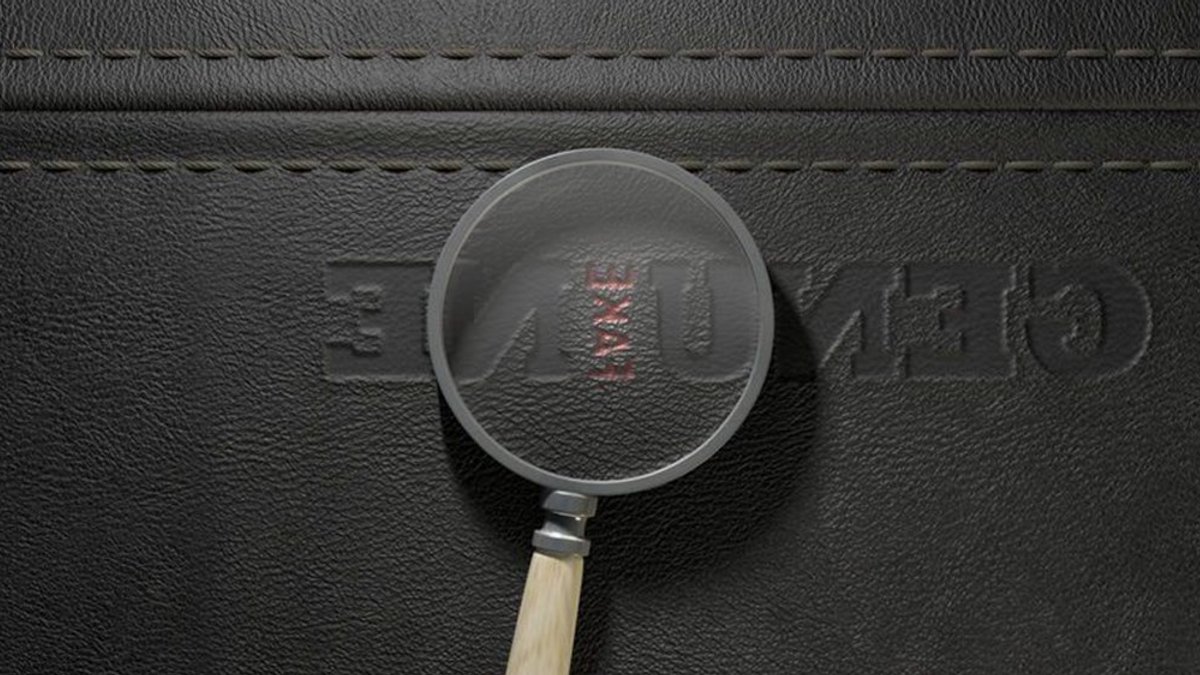
Tensions in trade between China and the United States in 2025 resurfaced claims that consumers can purchase luxury or premium goods at a fraction of retail price directly from Chinese factories.
Amid uncertainty surrounding tariffs and supply chains, viral videos on platforms like TikTok claimed that Chinese factories producing goods for Western brands, including prestigious fashion houses, could manufacture and sell those products directly to consumers.
The question is whether goods manufactured by businesses with full knowledge of a brand’s designs, materials, production methods, or supply chain constitute counterfeit goods.
Counterfeit Goods Act: Authority at the point of manufacture
In South Africa, whether a product is counterfeit does not depend on the factory’s location in China, its history of manufacturing for the brand owner, or how closely the item resembles an authentic product.
The key issue is whether the goods were manufactured or produced, using, embodying or sold in association with, the intellectual property of the brand owner, and whether the conduct infringes that right.
The Counterfeit Goods Act targets the creation of products that mimic protected goods without the intellectual property owner’s approval. The law defines counterfeiting as follows:
Without the authority of the owner of any intellectual property right subsisting in the Republic in respect of protected goods, the manufacturing, producing or making, whether in the Republic or elsewhere, of any goods whereby those protected goods are imitated in such manner and to such a degree that those other goods are substantially identical copies of the protected goods.
Unlawful activity under the Counterfeit Goods Act is not limited to crude imitations from unrelated workshops. It may also apply to highly convincing copies produced by manufacturers familiar with a brand’s specifications.
Manufacturers’ rights are usually restricted by the original order’s terms, including the agreed quantity, quality standards, and contractual obligations. For example, approval to produce 10,000 units does not automatically allow the creation of an extra 500 units for separate distribution.
Related Post: Food Republic Joins Foreign Brands Retreating in China
Such goods will constitute “counterfeit goods”, and even a seemingly flawless batch made outside the contract will be counterfeit if the brand owner did not authorise the use of its intellectual property to make those specific goods.
The Trade Marks Act: The principle of trade mark exhaustion
Often confused with counterfeiting is section 34(2)(d) of the Trade Marks Act 194 of 1993, which limits a trade mark proprietor’s infringement rights.
This section clarifies that importing, selling, or distributing goods in South Africa—even if they bear a trademark—does not violate trademark rights if the brand owner originally approved the use of the mark on those items.
This provision embodies the principle of trade mark exhaustion: once genuine goods bearing a trade mark are placed on the market with the proprietor’s consent, their resale is not infringement, even if it occurs outside the proprietor’s preferred distribution network.
This is why a genuine item released by a brand abroad may sometimes be imported and resold in South Africa as a parallel import, or “grey good”.
The importer need not be authorised, but the goods must be genuine in the relevant legal sense: the trade mark on the goods must have been applied by, or with the consent of, the trade mark proprietor.
Distinction between the two provisions
This is clearly illustrated in the following scenarios:
- A genuine, branded jacket sold abroad with the trade mark proprietor’s consent may be imported into South Africa by an independent reseller, and section 34(2)(d) may protect that resale, even if the reseller is outside the official network.
- If a supplier manufactures an off-contract batch and applies the trade mark without permission, the exhaustion defense is unavailable. If the goods imitate protected goods to the relevant degree, they are “counterfeit goods” under the Counterfeit Goods Act.
- An unbranded lookalike product manufactured and sold by a supplier used by the trade mark proprietor may give rise to other intellectual property enforcement options, such as passing off, but it does not automatically make the product counterfeit.
These disputes depend on the evidence in each case, including the terms of the manufacturing agreement and whether production overruns were permitted.