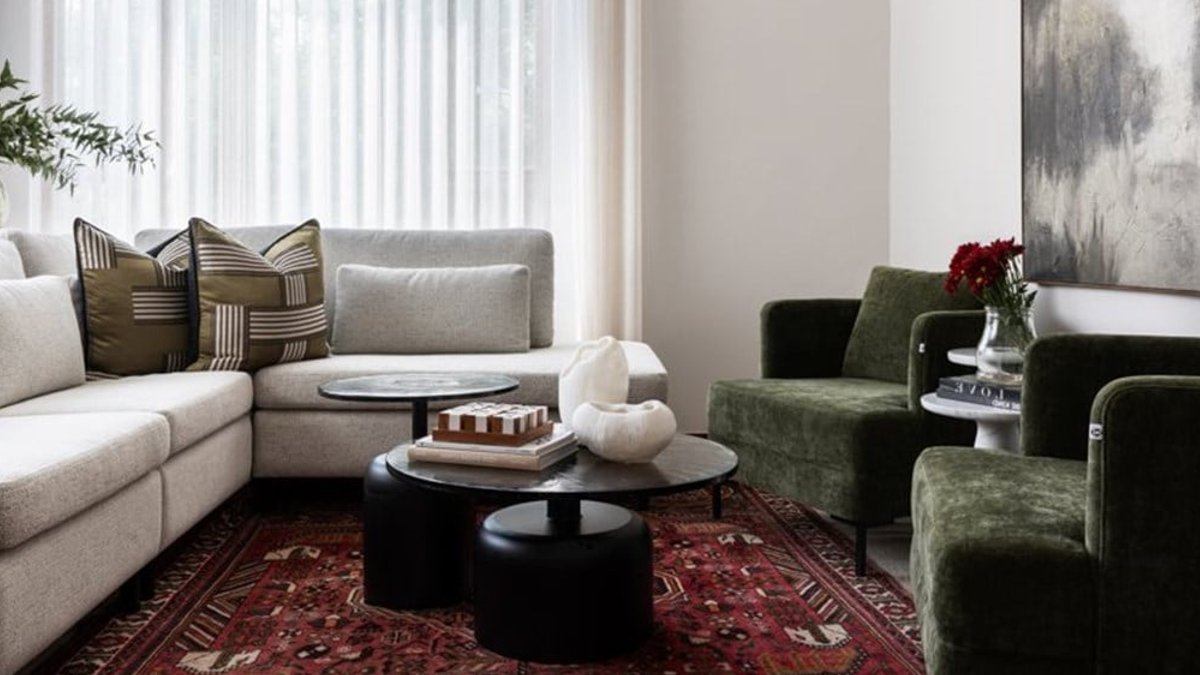
For homeowners, interior design decisions carry financial weight. Replacing floors, buying furniture, or updating spaces all impact the budget. Giava Interiors highlights how professional design expertise can guide these choices, ensuring spending aligns with both immediate needs and long-term property value.
A recent project by Giava Interiors transformed a South African family home shared by three generations of women. Their goal was a light, feminine, and sophisticated space that balanced current enjoyment with future resale appeal.
Design with purpose: Prioritizing what matters
The project began by identifying what needed to change and why. Dark, dated rooms with heavy furniture obscured the home’s high ceilings and generous proportions. The brief focused on comfort, softness, and cohesion, with an eye toward timelessness.
This framework guided every decision, from furniture selection to decorative details. Each choice had to contribute to the overall vision. For instance, sculptural pendants and full-height curtains accentuated the lounge’s height, celebrating the home’s architectural strengths.
One key insight emerged: knowing what to keep is as vital as choosing what to replace. The existing dark flooring, though visually heavy, was retained. Generously sized rugs softened its impact, defined seating areas, and created a balanced composition without the cost and disruption of replacement.
This approach demonstrates a practical lesson for homeowners: assess elements within the complete design before deciding to replace them. Sometimes, adjusting the surrounding palette, furniture proportions, or textile layering can resolve issues effectively.
Revealing a home’s true character
The project also focused on highlighting the home’s existing strengths. High ceilings, previously overshadowed by heavy furnishings, were brought to the forefront with lighter colors, refined furniture silhouettes, and softer textiles.
In the TV room, a light-colored sofa and tan chairs replaced dark leather seating. Botanical cushions, terracotta accents, and vertical timber detailing drew attention upward, emphasizing the room’s height. The result was a lighter, more spacious feel that celebrated the architecture.
Read Also: Nonprofits dominate Effie Awards
For homeowners, identifying and showcasing distinctive features is essential. Well-considered interiors should make these elements visible and understandable, enhancing both daily enjoyment and future market appeal.
Every space should clearly demonstrate its purpose. In the entrance, a streamlined console, large abstract artwork, and contemporary lighting created a welcoming focal point. On the patio, wood-framed chairs, patterned textiles, and greenery formed an inviting outdoor living area.
These choices not only improved daily life for the family but also made the home’s potential more apparent to prospective buyers. A well-presented space helps others envision its possibilities.
Professional design input is most effective when involved early. A clear design plan helps homeowners assess what to keep, set priorities, and understand how each change contributes to the whole. This ensures spending aligns with a well-defined brief.
For the three generations of women in this home, the result was a lighter, more cohesive space that met their needs. Existing flooring was retained, and overlooked architectural features were brought into focus. Their home now supports their current life while presenting thoughtfully for the future.
Balancing Immediate Needs and Future Appeal
The design also focused on practical flexibility. In the entrance, two woven ottomans tucked beneath a slim console demonstrated how furniture proportions and placement could adapt to different needs. This thoughtful arrangement not only enhanced the space’s functionality but also contributed to its overall aesthetic.
Early Design Planning for Effective Spending
Incorporating professional design judgment early in the process is critical for maximizing the impact of spending. This ensures that every investment aligns with the brief and serves a specific purpose.