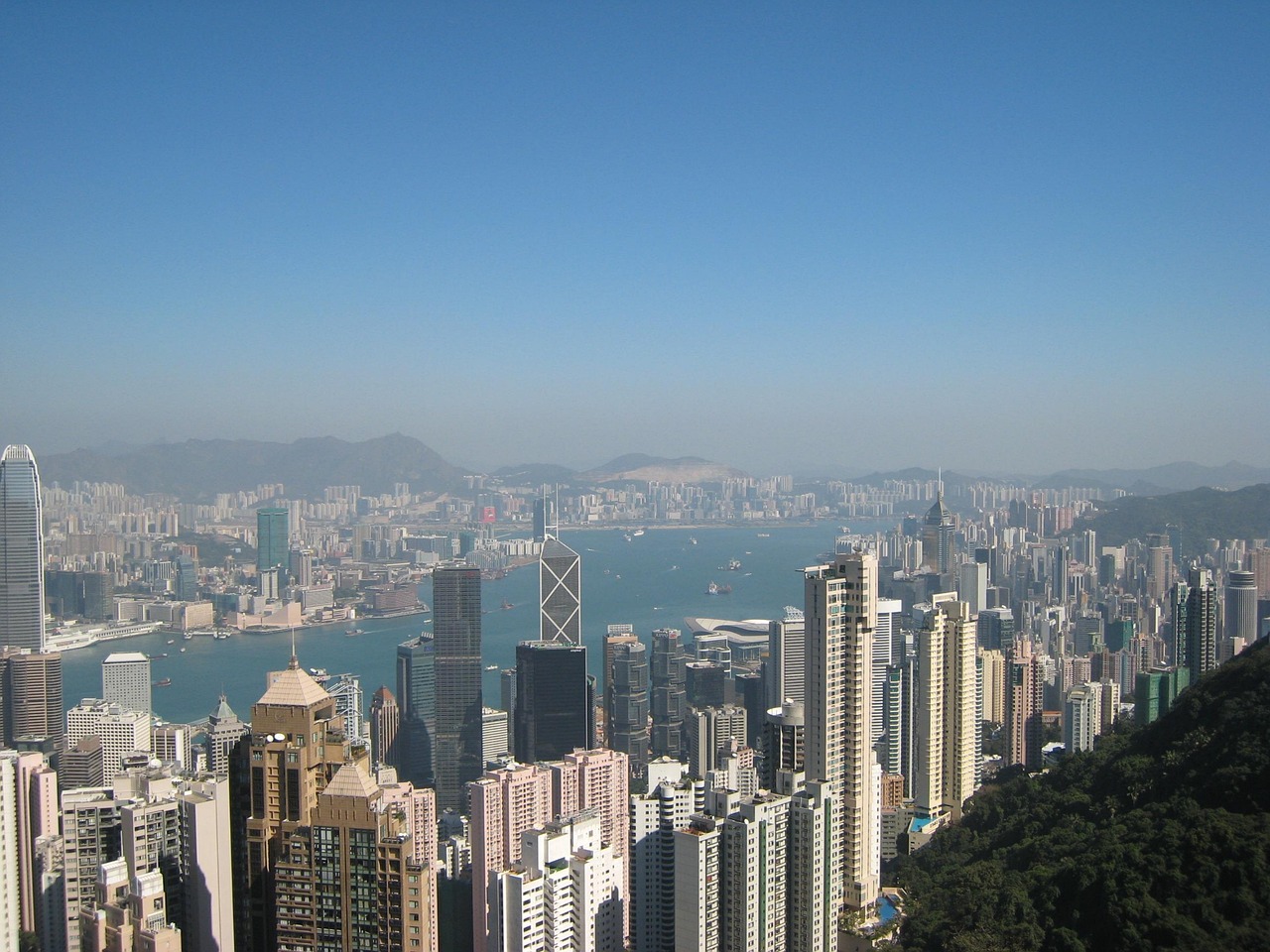
China launched the sale of 6 billion yuan (US$886 million) of green sovereign bonds in Hong Kong late Thursday, marking the country’s first such offering in the city. The move aims to tap global capital for climate-focused projects while strengthening Beijing’s foothold in offshore debt markets. The Ministry of Finance is selling two tranches—3 billion yuan each—with maturities of three and five years, yielding 1.42% and 1.56% respectively. Proceeds will fund or refinance clean-energy initiatives under a sovereign green-bond framework.
HSBC, one of the joint lead managers, noted strong investor interest. Global central banks have been increasing yuan holdings in their reserves, a trend accelerated by U.S. trade policies and recent geopolitical tensions. The short-dated tranche matures June 4, 2029, while the longer one expires June 4, 2031. Hong Kong’s Financial Secretary, Paul Chan Mo-po, called the sale a step toward solidifying the city’s role as a yuan hub. “It offers a new investment benchmark and attracts cross-border transactions,” he said at a ceremony Friday.
The bond issuance comes as China seeks to diversify its energy strategy amid the oil shock. Investors view the yuan as a haven, partly due to China’s relative insulation from energy price swings. The Ministry of Finance emphasized that funds will replenish the national fiscal budget through green projects. Officials did not specify which initiatives will receive funding, though renewable energy and infrastructure are likely priorities.
Related: The Myth of “More Data” in Product Development
Global demand for yuan assets has grown as central banks reduce reliance on the dollar. The U.S.-Israel war on Iran and Washington’s unpredictable tariffs have pushed investors toward alternatives. China’s push for yuan internationalization has gained momentum, with Hong Kong positioned as a key gateway. The bond’s success could encourage more offshore yuan fundraising, though challenges remain in persuading private investors beyond institutional buyers.
Analysts note the sale reflects broader efforts to align China’s financial markets with global climate goals. However, skepticism persists about transparency in how proceeds are allocated. A U.S. think tank recently questioned whether similar bonds in other regions have delivered measurable environmental benefits. Still, the transaction signals confidence in China’s ability to attract capital despite trade tensions.
Related: EV Demand in Nepal Is Growing but So Is Cost
The yuan’s role in reserves has expanded steadily, though it remains a fraction of the dollar’s dominance. The green bond’s coupon rates are lower than comparable U.S. Treasury yields, reflecting the yuan’s perceived risk. Yet, the offering’s scale and Hong Kong’s financial infrastructure may help shift perceptions. For now, the focus is on execution—whether the funds translate into visible green outcomes.