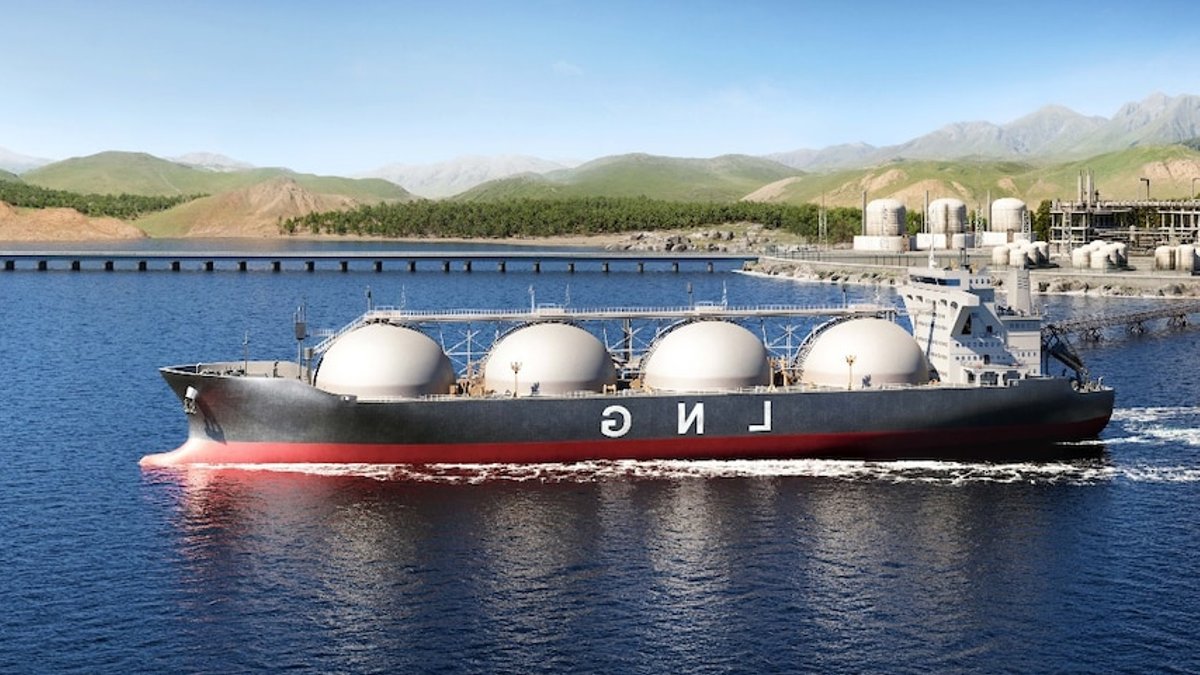
Vietnam aims to install 22.5 GW of liquefied natural gas-fired capacity by 2030, yet several projects are lagging behind schedule. The target aligns with the nation’s broader objective to diversify its energy mix and reduce reliance on coal, thereby supporting long-term sustainability goals.
Economic backdrop and targets
In the third quarter, the nation recorded 9.95% year-on-year GDP growth, the fastest in four years, while exports rose 24.5%. The economy would need to expand by roughly 12% in the fourth quarter to meet the full-year target.
The government tracks 18 LNG-fired projects, but only the Hiep Phuoc plant is reported as proceeding on time.
Planners have earmarked 15 projects to reach the 22.5 GW target, spreading construction across the country’s central and southern provinces.
Financing and supply challenges
Developers must secure land rights, construction contracts, long-term fuel supply deals and power purchase agreements before banks will lend.
Lenders typically require a purchase contract to guarantee revenue, yet buyers wait for clarity on electricity rates, which hinge on the cost of the fuel.
Current Asian LNG prices hover around $25/MMBtu, making the economics of new plants difficult to justify.
If the plants operate at high utilization, they could need roughly 200–300 cargoes of liquefied natural gas each year.
Without these new facilities, the country would have to rely more on coal, hydropower and imported electricity.
Manufacturers and exporters are already feeling pressure for reliable power; any shortfall could slow production lines that depend on steady supply.
Potential implications
Supply of new liquefied natural gas is expected to increase after 2028, which could improve bargaining power and lower contract prices for the country.
Nevertheless, postponing contracts now risks leaving the grid short of capacity as industrial demand climbs.