HighTide Therapeutics unveiled preclinical findings for its investigational compound HTD1801 at the 59th Annual Meeting of the American Society of Nephrology (ASN 2026), demonstrating its ability to substantially shrink cyst growth in autosomal dominant polycystic kidney disease (ADPKD). The data were presented in Denver, where the researchers described how HTD1801 engages two distinct biological pathways, metabolic regulation via AMPK activation and inflammation suppression through NLRP3 inhibition, to combat both cyst enlargement and kidney fibrosis.
ADPKD represents the most prevalent inherited kidney disorder, with approximately half of affected individuals developing symptoms by age 60. Current therapies, including tolvaptan and metformin, offer disease modification for select patients but carry safety risks and narrow eligibility criteria, leaving many without viable treatment options. By contrast, HTD1801’s dual mechanism addresses core pathological processes in ADPKD that existing drugs do not.
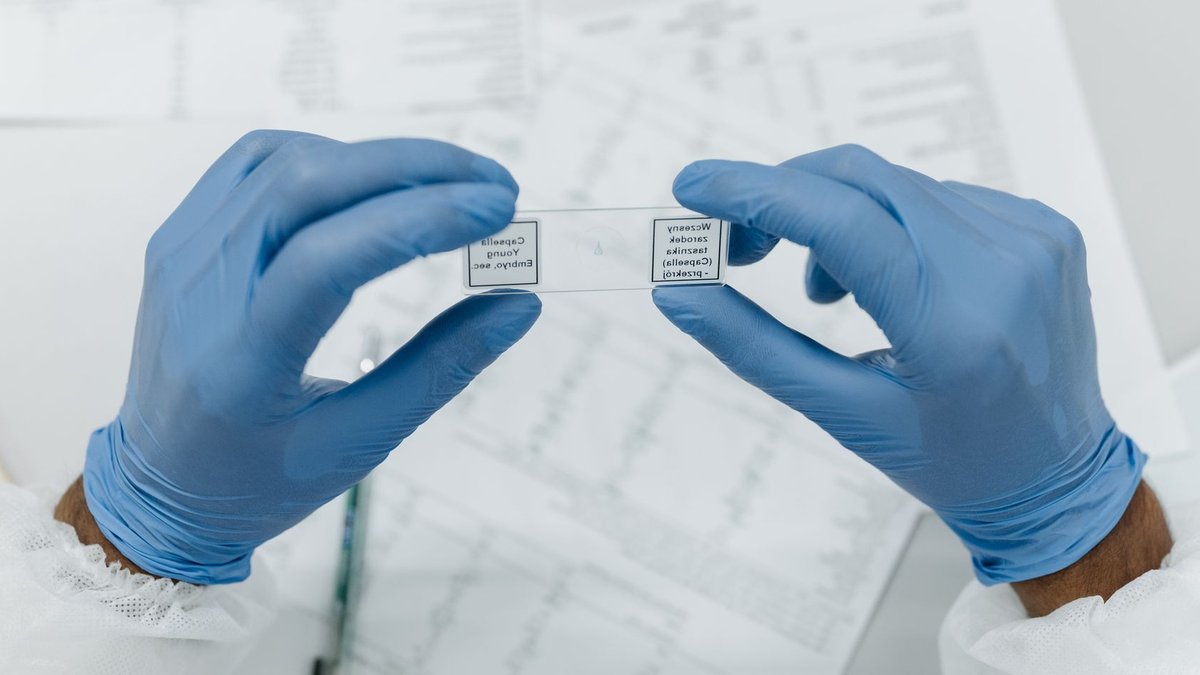
In this study, the effect of HTD1801 on forskolin (FSK)-induced cyst expansion was evaluated in PKD1−/− human iPSC-derived nephron organoids, with metformin and tolvaptan as reference comparators. The results showed that HTD1801 significantly reduced the median cystic area fraction to 10.70%, compared with 20.40% in the FSK model control group. Meanwhile, organoids with a low cystic burden (<20%) increased from 46.9% in the model control group to 97.3%, while organoids with a high cystic burden (≥30%) decreased from 8.2% to 0%. By comparison, metformin reduced the median cystic area fraction to 13.12%, while tolvaptan did not alter cyst burden, as this model does not respond to tolvaptan.
Read Also: Digital Record Proposed to Streamline Health Credential Mobility
Earlier work had already demonstrated HTD1801’s therapeutic potential in models of metabolic-driven kidney damage. The latest findings reinforce its potential as a versatile treatment for ADPKD and other chronic kidney diseases, particularly for patients who derive little benefit from standard therapies. Dr. Filip Surmont, HighTide’s Chief Medical Officer, delivered the presentation, framing the results as a critical milestone ahead of planned clinical evaluation.
The presentation took place during the ADPKD and Cystic Kidney Disease session on October 22, 2026, under the title “HTD1801 Suppresses Cyst Expansion in PKD1-Mutant Nephron Organoids: Evidence for AMPK-NLRP3 Axis Efficacy in ADPKD.”