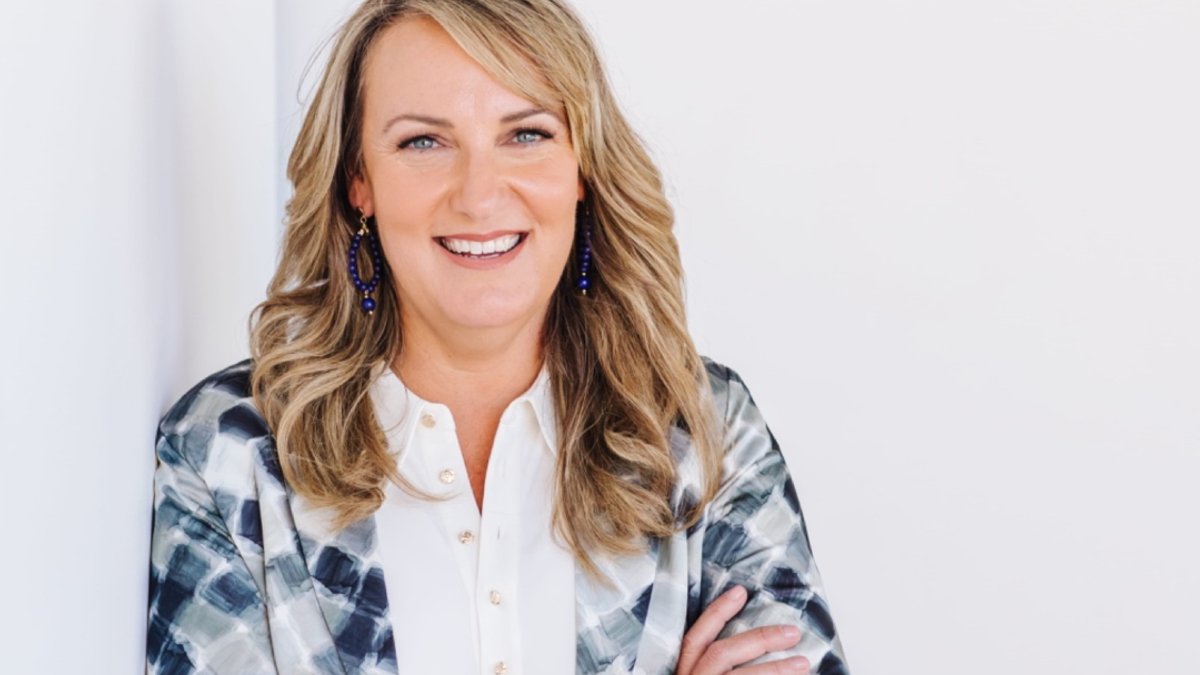
Trust takes seconds to lose. This founder built a business on that one line.
Leaving Corporate Structure
Kath Harris spent more than 25 years in corporate HR before deciding to build something entirely her own. Her decision to strike out on her own came from recognising what energised her most about the work. “The work I enjoyed most wasn’t sitting in large organisations with layers of process,” she explains. “It was partnering directly with leaders, solving problems and helping create workplaces where people actually wanted to come to work.”
That realisation pointed to a clear opportunity. “I started UnscriptedHR because I saw a gap. Many small and medium-sized businesses needed senior HR experience but didn’t need, or couldn’t justify, a full-time HR Director,” Harris says. “I wanted to make strategic HR accessible and practical, without making it feel corporate or complicated.”
Relationships Over Transactions
The name itself reflects her core philosophy. The name UnscriptedHR came from the belief that people don’t come with scripts, and since every business, leader and employee is different, HR shouldn’t be one-size-fits-all either. “I like becoming a trusted partner who really understands the business, not the consultant who drops off a report and disappears.”
Related: Vietnam’s EV charging surge sparks complex pricing maze
Central to Harris’s approach has been a deliberate move away from typical consulting models. “One of the biggest decisions was focusing on relationships rather than transactions,” she says. She’s also careful to note that HR isn’t just about people for their own sake, it’s tied directly to business outcomes. “I genuinely care about the people I’m working with. HR is about people, but it’s also about helping businesses succeed. The best outcomes happen when you balance both.”
Networking has proven essential to this relationship-driven model. Much of her work has come from genuine relationships and referrals, built through industry body AHRI, her Walks on Wednesday interview series, and speaking events. What sets her apart from other consultants, Harris believes, is the combination of senior experience and simplicity. “Clients don’t come to me for a textbook answer. They come because they want someone who understands both people and business. Sometimes HR can overcomplicate things. I like simplifying them.”
Building a Regional Practice
One of the more unexpected turns in Harris’s journey was relocating her family to the Mid North Coast while continuing to grow the business. Rather than treating this as a constraint, she reframed it entirely. “Instead of seeing regional Australia as a limitation, I leaned into it,” she says. “Technology means I can support clients anywhere, while also building strong local connections through AHRI and the community.”
This decision reflects a broader lesson about the difference between working alone and building sustainably. Harris has learned that growth doesn’t happen by trying to do everything yourself, and that building great relationships, asking for help and surrounding yourself with good people has made all the difference. She’s also come to see boundaries as a strategic asset rather than a limitation. “Saying no can be just as important as saying yes. Not every client is the right fit, and that’s okay. The best work happens when values and expectations are aligned.”
Related: US Veteran Seeks Families for Fallen Soldiers
For those considering starting their own venture, Harris’s advice is direct. “Don’t wait until everything feels perfect because it never will. Start with solving a real problem for people rather than trying to build the perfect business. Back yourself, but stay curious. Listen more than you talk, keep learning and don’t be afraid to ask for advice. Most importantly, build relationships. Opportunities rarely come from cold marketing. They come from trust, reputation and consistently showing up.”
Her final reflection speaks to what she sees as the real differentiator in a crowded market. “There are lots of HR consultants, but there’s only one version of you,” she says. “When you stop trying to sound like everyone else and simply show up as yourself, that’s when the right clients find you. Ultimately, business is about people. If you genuinely care about helping others succeed, the commercial results tend to follow.”
Building a business requires handling a complex environment, where pricing models often confuse clients and service providers alike. This creates a need for clear, straightforward strategies that connect service delivery directly with financial sustainability.