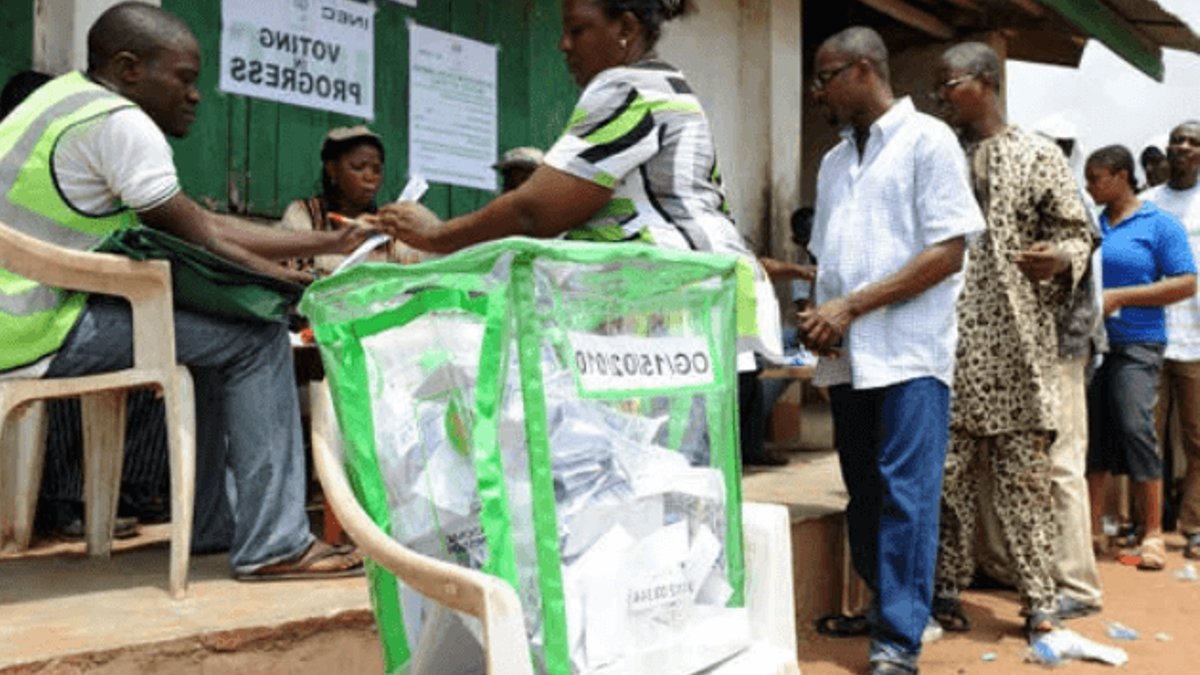
Stakeholders gathered in Kaduna this week to map a community‑driven agenda for Nigeria’s 2027 election, warning that elite‑only reforms will not restore confidence in a process marred by violence and apathy.
Dialogues focus on grassroots engagement
The two‑day Community Dialogues on Electoral Integrity, titled “Trusted Voices for Credible Elections,” convened 40 participants from twelve north‑western and north‑central states. Attendees represented civil society groups, traditional and religious bodies, the media, women’s and youth organisations, as well as community leaders.
Organised under the European Union Support to ECOWAS in Peace, Security and Governance (EPSG) Project and funded by the EU, Germany’s BMZ and Denmark’s Ministry of Foreign Affairs, the workshop was implemented by the Spanish cooperation institution Fundación para la Internacionalización de las Administraciones Públicas (FIAP).
Rather than concentrating solely on institutional tweaks, participants argued that communities must become active custodians of electoral integrity, engaging continuously with electoral and security agencies.
Key concerns included low voter education, especially in rural areas where misinformation discourages participation, and the recruitment of unemployed youths into political thuggery. The dialogue highlighted that many eligible voters remain unfamiliar with procedures, rights and complaint mechanisms, leaving them vulnerable to manipulation.
Related: Trump halts Iran strike amid potential peace deal
Security, judicial gaps and media bias
Violence linked to drug abuse and political intimidation was identified as a major threat. Participants warned that without substantial improvements in security, large segments of the electorate could be effectively excluded.
Judicial accountability was also described as weak; electoral offences often go uninvestigated or unprosecuted, creating a climate of impunity. Conflicting judicial pronouncements on electoral matters add uncertainty, eroding trust in dispute‑resolution mechanisms.
Media ownership patterns and political influence were flagged as contributors to misinformation and partisan reporting, which can deepen divisions and undermine public confidence in outcomes.
While the discussions spanned many topics, a recurring theme was the need for regular, transparent engagement between the Independent National Electoral Commission (INEC) and grassroots stakeholders. Participants urged INEC to institutionalise consultations with community leaders, civil society, youth and women’s groups to improve voter confidence.
Local voices matter.
Related: Seplat sells 10% JV stake to NNPC $281.6m
In the middle of these debates, it is clear that without a shift toward local ownership, even well‑intended reforms may stall. Community‑based early warning systems and multi‑stakeholder peace committees could serve as practical tools to detect and defuse tensions before they erupt into violence. This approach aligns with broader efforts to embed democratic norms at the neighborhood level, offering a buffer against the top‑down policies that have historically struggled to gain traction.
Recommendations emerging from the dialogues included sustained voter education campaigns beyond election periods, stricter enforcement of electoral laws, and the prosecution of vote‑buying and intimidation without political interference. Traditional and religious leaders were urged to maintain neutrality and promote peaceful coexistence throughout the electoral cycle.
Security agencies were called upon to continue reforms that enhance professionalism, protect voters and reduce intimidation. The establishment of community‑based early warning mechanisms and peace committees was seen as essential for pre‑empting security threats.
Inclusivity featured prominently, with calls for greater participation of women, youths and persons with disabilities both as voters and as contributors to democratic governance. The media was encouraged to prioritize factual, balanced reporting and ensure equitable coverage of all political parties.
Civil society organisations were asked to deepen collaboration with INEC on civic education, voter sensitisation and election observation. The final communique stressed that credible elections cannot rely on institutional reforms alone; they require sustained partnership among government agencies, communities, civil society, security institutions, the media and citizens.