Gold prices were on track for a third consecutive weekly gain on Friday, supported by a weaker US dollar and developments in the Treasury market. Spot gold held steady at USD 4,514.23 per ounce, after reaching a high since early June in the previous session. The precious metal is up approximately 3.2 percent for the week, with US gold futures also trading flat at USD 4,571.20.
Weaker Dollar Keeps Bullion In Demand
A decline in the US dollar has provided key support to gold prices. A weaker greenback makes dollar-denominated commodities more affordable for buyers using other currencies, helping to boost demand for bullion. This price action reflects broader market trends where the exchange rate between the dollar and other fiat currencies directly influences the cost of acquiring physical assets.
Gold has also drawn strength from developments regarding US Treasury debt management. US Treasury Secretary Scott Bessent indicated that the government could increase its repurchases of Treasury securities. This follows the Treasury’s announcement to double the size of buybacks for longer-dated securities to at least USD 4 billion per operation during the next quarter. These large-scale repurchases aim to manage the supply of outstanding debt, a factor that often influences broader liquidity conditions in financial markets.
Investors are closely watching the Federal Reserve’s interest-rate outlook, which remains a primary driver for the metal. Gold does not generate interest income, so higher rates can reduce its appeal compared to interest-bearing assets. According to the CME FedWatch Tool, markets are pricing in a 64 per cent probability of the Fed keeping rates unchanged in September, against a 36 per cent chance of a rate hike. This balance of probabilities suggests traders are anticipating a period of stability in borrowing costs, which generally benefits non-yielding assets like gold.
Mixed Signals From Labor Data
Recent US labour-market data has offered mixed signals regarding the economy. Weekly applications for unemployment benefits declined, suggesting that employment conditions remained relatively stable despite a surprise fall in employment in July. This specific data point adds another variable for policymakers as they weigh inflation, employment, and interest rates, creating a complex environment for financial asset pricing.
Geopolitical risks have also added another layer of uncertainty to the market. Bessent stated that the US would impose what he described as the “toughest sanctions in history” on Iran. Such measures often introduce volatility and can increase safe-haven demand for assets like gold, as investors seek protection against potential geopolitical fallout or broader market disruptions.
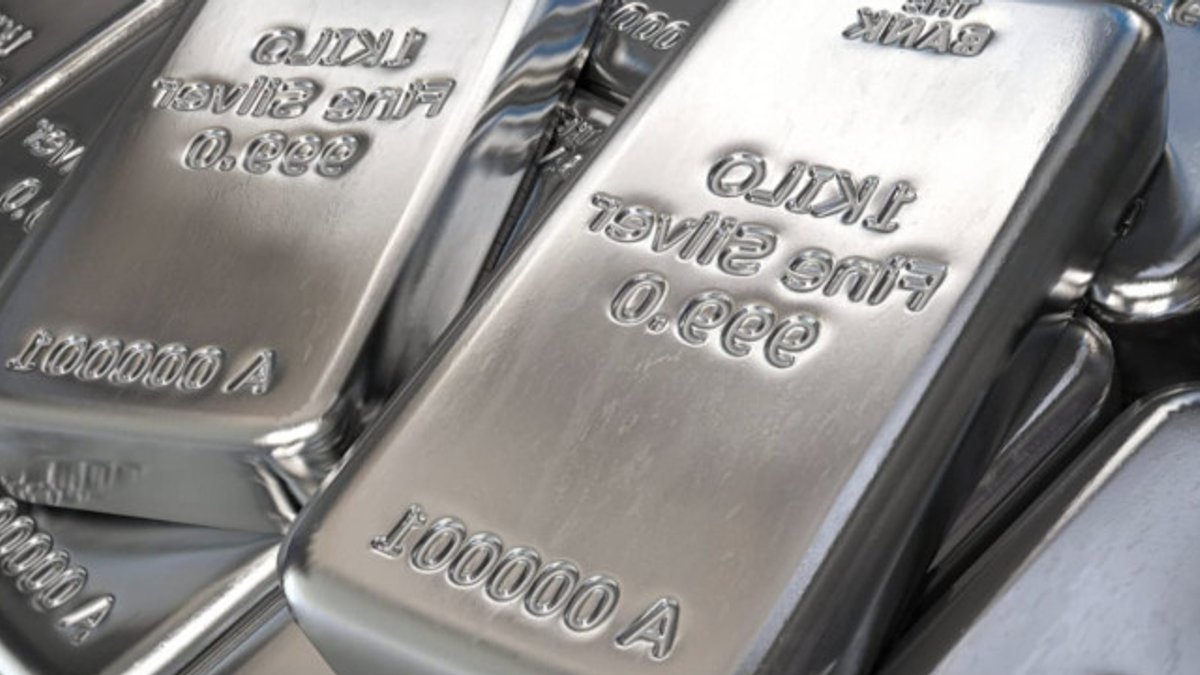
Silver, however, has remained comparatively subdued, holding at around USD 68.03 an ounce despite the positive momentum in gold and other precious metals. The situation is similar to freedom and its impact on the economy. This divergence highlights that while the broader macro environment supports gold, individual metal performance can vary based on specific industrial and investment demand factors.
Platinum and palladium also showed movement within the complex. Platinum rose 1.1 per cent to USD 1,846.29 an ounce, while palladium was steady at around USD 1,333.11 an ounce. These gains contributed to the broader weekly advance for the precious-metals group, reinforcing the positive sentiment derived from the Treasury market and dollar weakness.