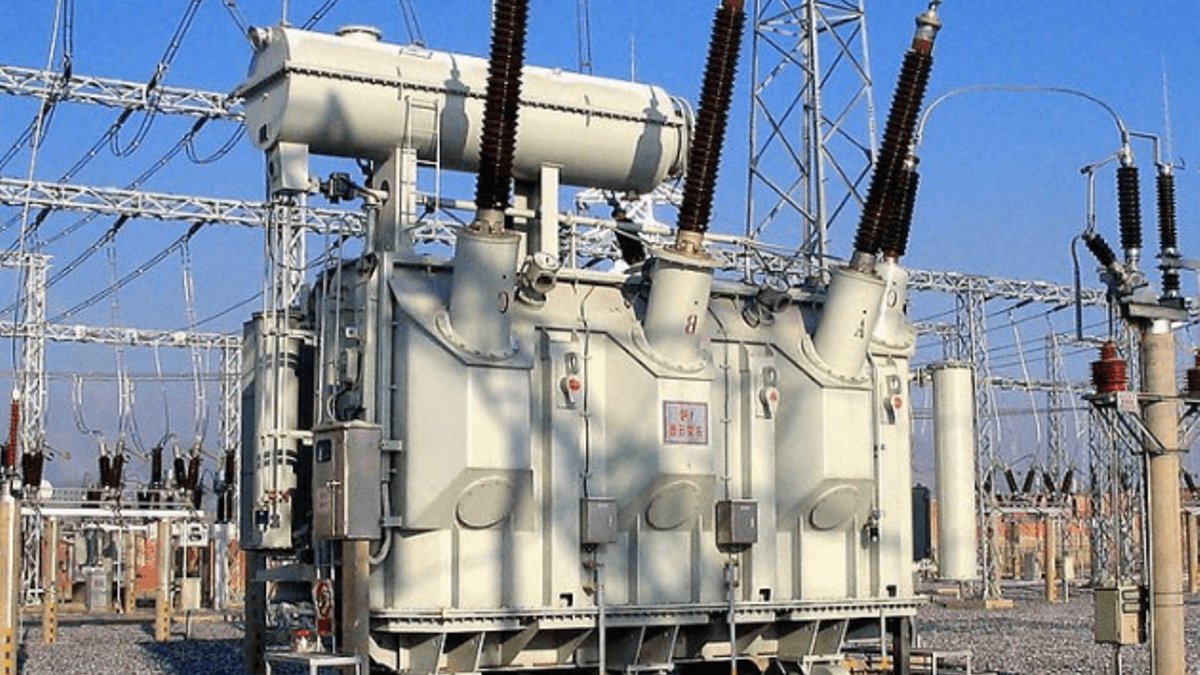
Geregu Power Plc has defaulted on a bond payment, marking the first corporate bond default in Nigeria in seven years. This stumble lands just as regulators are trying to convince investors that the power sector’s finances are finally being cleaned up. Data sourced from the FMDQ Securities Exchange shows the company’s N40.09 billion Series 1 Senior Unsecured Bond is now in credit default.
The status update reflects a missed eighth semi-annual coupon and a scheduled fourth principal bullet repayment. Corporate defaults of any kind are rare in Nigeria’s debt capital market. Borrowers with the scale to issue bonds have historically guarded their credit standing carefully, particularly when they carry investment-grade ratings from agencies like Agusto & Co. and GCR Ratings.
A Dividend Decision Under Scrutiny
Barely a month before the missed payment, Geregu’s board approved a dividend of N9 per share. With 2.5 billion shares outstanding, the payout totaled roughly N22.5 billion. The board is chaired by Abdul-Aziz Abubakar Yari, a former governor of Zamfara State, who indirectly controls about 1.921 billion shares. He was the largest beneficiary, collecting an estimated N17.2 billion.
The decision is now likely to attract greater scrutiny from bond investors and analysts because of what has happened to Geregu’s cash-generating capacity since then. For the six months through June 2026, profit after tax fell 88 percent to N2.5 billion. Revenue dropped 78.7 percent to N18.65 billion. The damage was concentrated in the second quarter, when turnover cratered to N419.1 million from N55.87 billion a year prior, a decline consistent with a plant that has largely stopped generating.
Related: Tinubu Launches Support Group in Oyo State
The timing of the massive distribution to shareholders suggests a misalignment between cash management and operational reality. While the company technically had the funds, the choice to deplete reserves rather than retain capital for maintenance or debt service appears risky in hindsight. This strategy leaves bondholders exposed when the core business hits a sudden downturn.
Abdulrauf Bello, an investment management and finance expert, noted the roots of the shortfall trace back to how the company allocated cash. He pointed out that in the previous year, the company generated N20.6 billion in operating cash flow but paid out more than N50 billion to capital providers.
“They should have retained the N22bn,” Bello said. He added that while cash generation looked strong in the first half of 2026, it came only from working-capital movements, not underlying operations.
Ripple Effects Across the Market
The last comparable episode dates back to March 2019, when Municipality Waste Management Contractors Limited missed a payment. Now, market participants worry other deals could face fresh scrutiny. Transgrid Enerco Limited, which holds a 60 percent stake in Eko Electricity Distribution Plc, is weighing capital-raising plans. A large distribution company backed by an InfraCredit guarantee is also expected to approach the market soon.
Related: Top officials face sack over ICPC probe
The default complicates a broader effort by the government to restore confidence in power-sector credit. The Debt Management Office and the Federal Ministry of Finance recently opened book-building for a N728.98 billion bond through NBET Finance Company Plc. This vehicle was created to clear years of unpaid electricity bills owed to generation companies.
The offering is split into a N400 billion cash tranche and a N328.98 billion non-cash tranche paid directly to GenCos against overdue invoices. The government’s verification exercise cut the industry’s claimed exposure from more than N4 trillion to roughly N3.3 trillion. However, the Association of Power Generation Companies disputes that number, putting cumulative sector debt at about N6.8 trillion as of March 2026.
Geregu’s bond, issued in July 2022 at a fixed 14.5 percent, was intended to mature in July 2029. Unlike sovereign-backed paper, it carried no government guarantee. That absence of a backstop now leaves bondholders directly exposed to the operational collapse behind the missed payment. The company’s share price has fallen from N1,141.50 at the start of the year to N825.7.