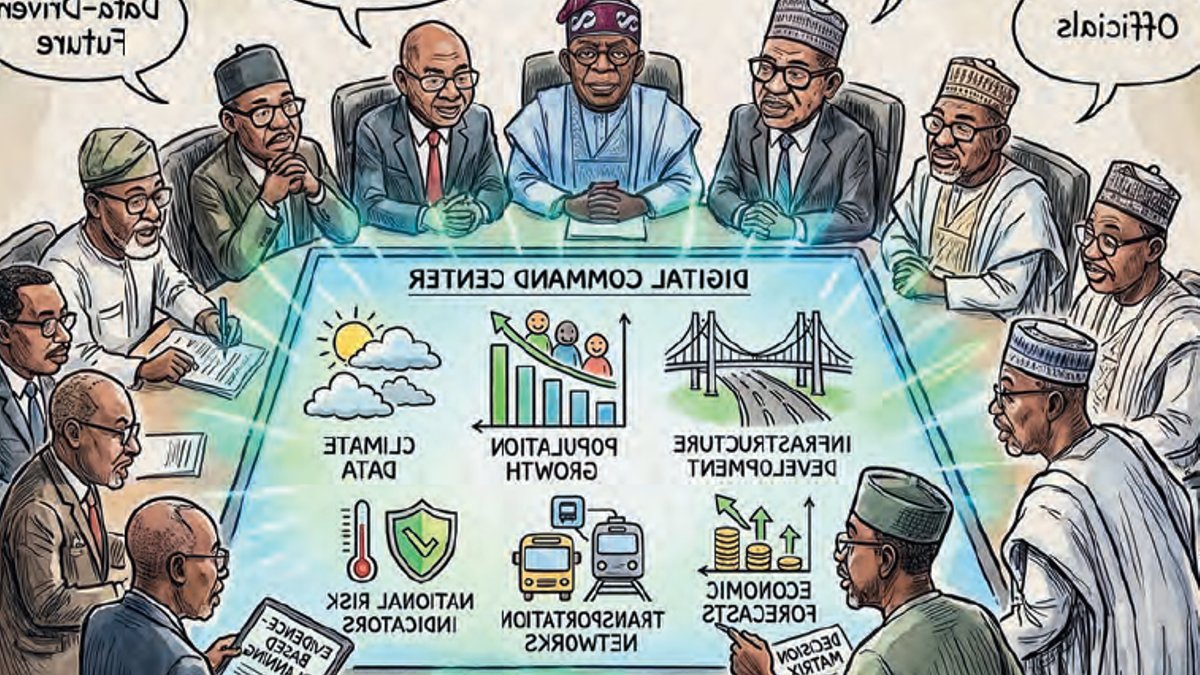
Anticipatory governance has been highlighted as a remedy for Nigeria’s long‑standing pattern of reacting to crises after they occur, a practice that has cost the country billions of naira and eroded public trust.
Why reactive policies have fallen short
For decades, Nigerian institutions have tended to amend regulations only after failures become visible. Health services were overhauled following outbreaks, infrastructure projects were approved after traffic snarls, and education reforms arrived well after graduates struggled to find jobs. This approach has left the nation scrambling to address problems that could have been mitigated with earlier action.
Experts point to three core obstacles that block forward‑looking planning: cognitive bias that favors familiar scenarios, short‑term political cycles, and the difficulty of turning long‑range forecasts into concrete steps. When decision‑makers focus on immediate concerns, they often miss the early signs of larger shifts such as climate impacts, technological disruption, or demographic changes.
Related: Seplat sells 10% JV stake to NNPC $281.6m
Learning from other countries
Singapore’s Centre for Strategic Futures runs scenario workshops that feed directly into policy drafts, while Finland’s parliamentary Committee for the Future reviews long‑term issues each session. Rwanda, through Vision 2020 and Vision 2050, has embedded digital transformation into its development agenda. Though each model differs, they share a commitment to embedding foresight within government structures rather than relying on ad‑hoc responses.
These examples illustrate that institutionalizing future thinking can reduce the need for emergency measures. Nations that consistently anticipate change tend to outperform peers that wait for problems to surface.
Urban youth face unemployment, rising living costs, and misinformation, while rural areas contend with inadequate health facilities, insecure environments, and outdated farming practices. The resulting migration to crowded cities strains resources and fuels a cycle of unmet expectations.
Addressing these intertwined issues requires more than isolated programs. Policymakers must map how unemployment, education quality, and digital access influence each other, then embed those insights into long‑term national plans. Reactive governance can put out fires, but anticipatory governance builds the fire‑proof walls of tomorrow.
Related: Presco pays N11.6bn interim dividend
Implementation calls for collaboration across four pillars: informed citizens who care about future generations, professionals who apply expertise to national challenges, institutions that champion continuous learning, and leaders willing to champion transformative change. Embedding strategic foresight could involve risk‑informed budgeting, scenario planning, early‑warning systems, and dynamic risk registers that alert officials to emerging threats before they crystallize.
Private sector partnerships, university research hubs, and civil‑society initiatives must also play a role. State governments could fund community resilience projects, while businesses invest in innovation and workforce development. Universities might evolve into centers for futures research, feeding policy ideas back to lawmakers. Young Nigerians should be seen not just as beneficiaries but as co‑designers of policies that shape their own futures.
One practical implication of this shift is that local governments would need to allocate funds for climate‑adaptation infrastructure even before extreme weather events become common. By doing so, they would avoid the higher costs of emergency repairs after floods or droughts strike. This proactive stance could also inspire confidence among investors looking for stable environments.
“Foresight is an expression of sovereignty because it preserves our freedom to act before the future narrows our choices,” said Julius Maada Bio, chairman of the ECOWAS Authority of Heads of State and Government at the 2026 ECOWAS Mid‑Year Summit.
Related: Ho Chi Minh City boosts English in schools
Adopting anticipatory governance is not merely a policy tweak; it demands a cultural shift away from celebrating crisis management toward rewarding prevention.
Anticipatory governance can save billions.
Ultimately, Nigeria’s success will hinge on whether its leaders can move beyond short‑term fixes and embed a mindset of preparation across all sectors. The nation’s youthful energy and abundant talent provide a solid foundation, but the window for decisive action is narrowing.