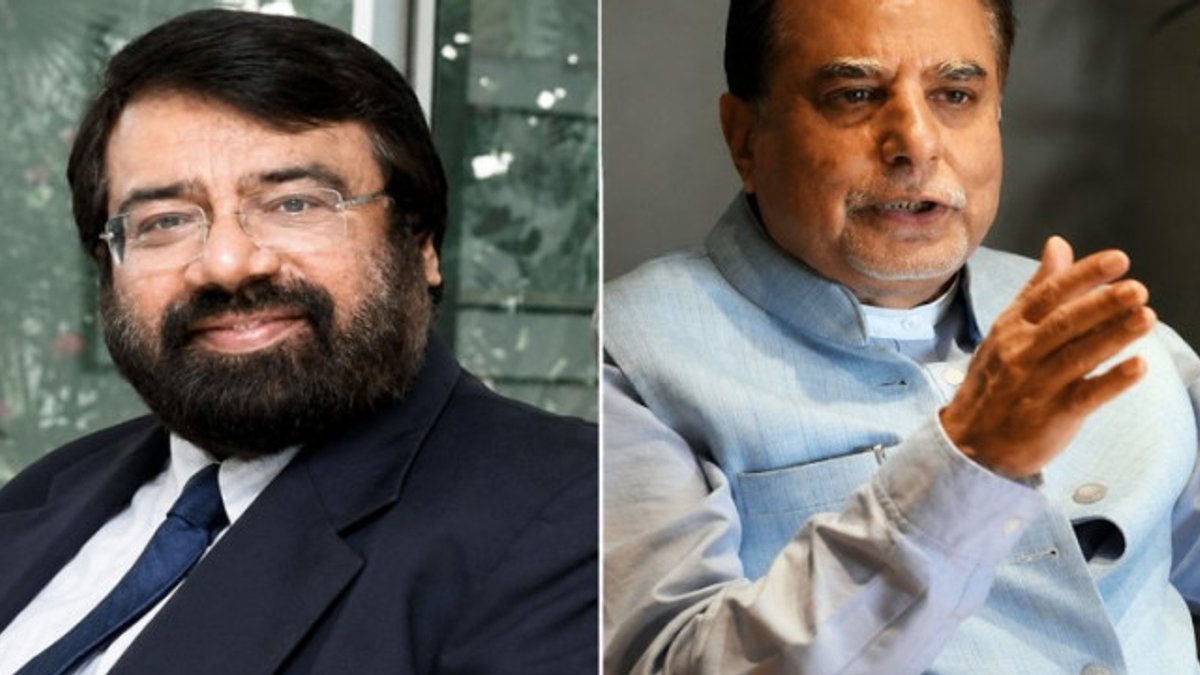
Industrialist Harsh Goenka has entered the fray over Essel Group chairman Subhash Chandra’s financial troubles, saying the embattled media mogul deserves a fair hearing as disputes over his debt and ongoing NCLT proceedings continue to make headlines.
Goenka, who chairs RPG Enterprises, took to social media to push back against what he described as a one-sided narrative. His intervention centers on the debt figure that has become the flashpoint of the controversy.
“With all the headlines screaming that Subhash Chandra got a 99%+ haircut from banks, it is worth listening to his side of the story too. The ₹22,000 crore figure is being widely misunderstood and several facts being circulated are simply wrong. There are always two sides to a story,” Goenka wrote.
The RPG chief’s comments land as Chandra disputes reports about how his liabilities were resolved. He has alleged that coverage incorrectly suggested his debt was settled through the NCLT for just Rs 6.5 crore — a characterization he says is misleading.
Related: India Inc Boardrooms Rush To Govern AI
The Essel Group chairman has gone further, accusing Reliance Industries chairman Mukesh Ambani and media outlets linked to the conglomerate of running what he calls a propaganda campaign against him. He specifically pointed to TV18 network channels, including CNBC, claiming they circulated the disputed account.
That haircut figure that dominated news cycles implies banks wrote off nearly the entire amount owed. Chandra’s camp argues the actual financial picture is more complicated.
Zee Allegations Resurface
Chandra has tangled with the Reliance camp before. He’s now revived allegations dating back to 2019, claiming entities linked to Ambani contributed to the sharp decline in Zee’s share price. He further alleged there was a subsequent attempt to acquire Zee in partnership with investor Invesco.
According to Chandra, that proposed arrangement fell apart because it wasn’t in the interests of minority shareholders. He’s also pointed to the broader financial strain the Essel Group has faced over the years, including asset sales made to meet its obligations.
The pattern here echoes other high-stakes Indian corporate disputes where debt restructuring becomes a battle over perception as much as money. When settlement figures get reduced to a single dramatic percentage, the mechanics of how assets were sold, when payments were made, and what was actually owed often get lost in the shuffle.
Related: Time to Move Beyond Common NEET Papers
Goenka’s push for nuance is unusual among industrialists, who typically avoid wading into a peer’s legal and financial mess.
His call for balance doesn’t settle the factual questions.
The NCLT proceedings and the exact terms of any settlement remain matters of record that haven’t been fully clarified publicly. What his intervention does is add a notable voice to the argument that the public conversation around Chandra’s debt may be missing important context.
The debate continues to unfold as Chandra presses his case and media outlets stand by their reporting. For now, the debt figure remains the subject of sharply different interpretations, with no immediate resolution in sight.