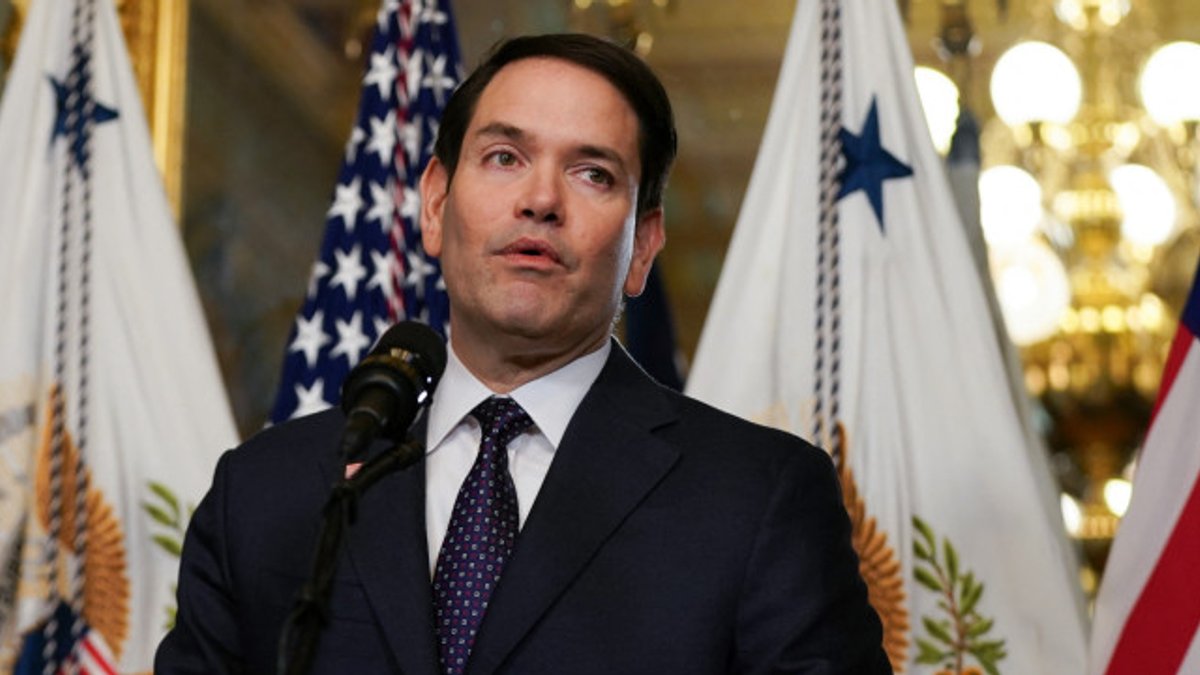
Secretary Marco Rubio is set to arrive in India for the Quad Foreign Minister’s Meeting, marking his first visit to the country in his role as America’s leading envoy. This visit signals the Quad’s bold new phase in the Indo-Pacific power play.
The Quad represents a pillar of democratic solidarity in securing the most important economic region in the world. The Indo-Pacific remains indispensable to Washington’s priorities of critical and emerging technology collaboration, economic security, and upholding a rules-based international order.
The region is home to two-thirds of global trade and vital supply chains, with chokepoints being exacerbated in the Strait of Hormuz. There is a need to build newer energy corridors, and Secretary Rubio’s visit to New Delhi will see increased conversation on deepening the energy partnership, including energy exports to New Delhi.
Washington is keen to expand energy exports to New Delhi, with the most populous country being largely dependent on energy from the Gulf. Alternate sources of Liquefied Natural Gas (LNG) and advanced energy technologies from the U.S. would be welcome, given the crisis with the Iran War has had damaging impacts on emerging markets in South Asia.
Civil nuclear cooperation is also re-emerging as an area of opportunity, thanks to The SHANTI Act, 2025, which represents the most significant overhaul of India’s nuclear energy policy in over six decades. This shift from a state monopoly toward a market-aligned ecosystem is expected to increase collaboration between U.S. nuclear firms and Indian industry.
The signing of the 10-Year Defence Framework in 2025 reflects the long-term strategic convergence between the U.S. and India, particularly in maintaining a free and open Indo-Pacific. The defense cooperation between the two countries has evolved from a buyer-seller relationship into one focused on co-development, co-production, and defense industrial collaboration.
Related: India’s Uncertain Tryst With Freedom
Trusted defense ecosystems among democratic partners will become essential for both economic security and national security. They have deeper collaboration in jet engine technology, autonomous systems, drones, cybersecurity, and next-generation defense platforms, demonstrating the growing trust between the two nations.
The Quad is not just about shared democratic values but the strategic element moving beyond traditional defense and commercial ties, to a new critical phase that encapsulates technology, supply chain resilience, and trusted innovation ecosystems. The four Quad Ministers will focus on making technology cooperation central to the partnership.
As geopolitical uncertainties increase, all four Quad members have an opportunity to build trusted and resilient supply chains, especially in critical minerals, defense manufacturing, electronics, and digital commerce, that underpin the global economy.
Secretary Rubio’s visit comes at a time of difficult geopolitical turbulence. The Quad nations must reassert to the nations in the Indo-Pacific and the world that these defining relationships are helping secure the region’s economic prosperity.
They are creating a more stable and prosperous region. The Quad’s focus on technology cooperation and innovation will also drive growth and create new opportunities for businesses and individuals in the region.
The Quad’s commitment to a rules-based international order and democratic values will be essential in ensuring that the benefits of growth are shared by all, which is particularly important in the context of power sector development.